Organic Shakthi Products
Natural Farming Inputs for 100% Long Term Yield Stability, Soil Health and Pest Control.
In many farming areas, soil strength is going down due to repeated cropping, chemical fertilizer use and pest pressure in early growth stages. Farmers often face weak germination, root damage, low yield stability and uneven plant growth across seasons.
Organic Shakthi products are used in these real field conditions as part of organic farming products, eco friendly fertilizers and organic fertilizer for farm systems. The focus is simple. Improve soil life, reduce chemical dependency and support steady crop yield across seasons. These inputs are commonly used by farmers who focus on long term soil recovery rather than short term crop push.
Organic Shakthi works across vegetable farms, banana plantations, coconut farm and many other field crops where soil condition and pest pressure decide final yield results
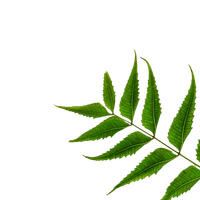
01. Crushed neem seed
(for Soil Pest Pressure Control)
Crushed neem seed is mainly used in fields where early pest attack and soil insect activity damage young roots and reduce plant survival. It is applied during the soil preparation stage before sowing or transplanting.
This input is widely used in organic neem-based farming practices for soil protection during early crop stages.
Farmers prefer it in vegetable and cash crop fields where pest pressure starts immediately after planting.
Key field use pattern
- Applied before sowing to reduce early soil pest load
- Used in compost systems to improve soil activity
- Common in monsoon planting preparation where pest activity is high
Field impact seen in farming practice
- Helps reduce early root stress in pest-active soil
- Supports stable crop establishment in first growth stage
- Reduces dependency on chemical soil treatments in early cycle
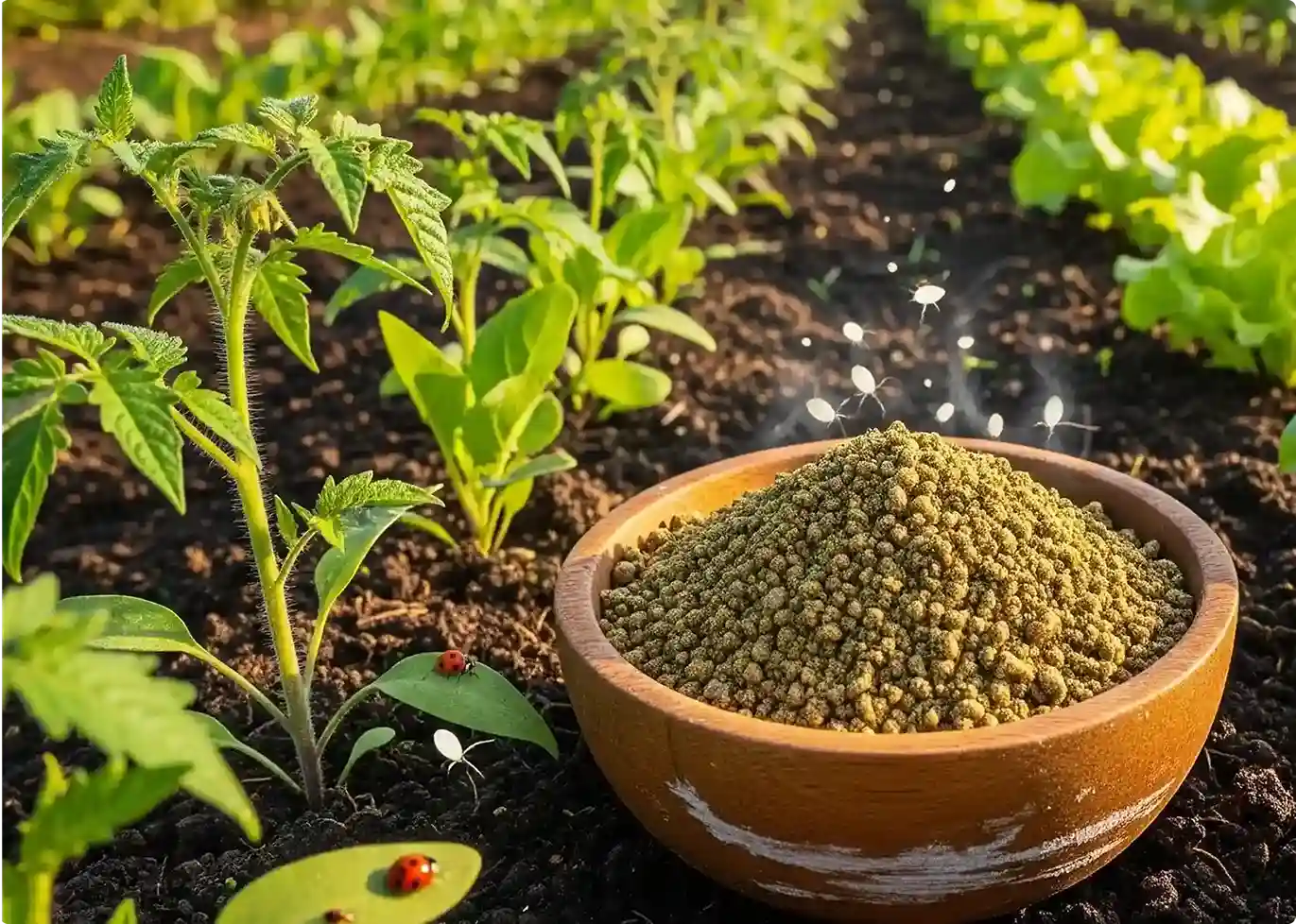
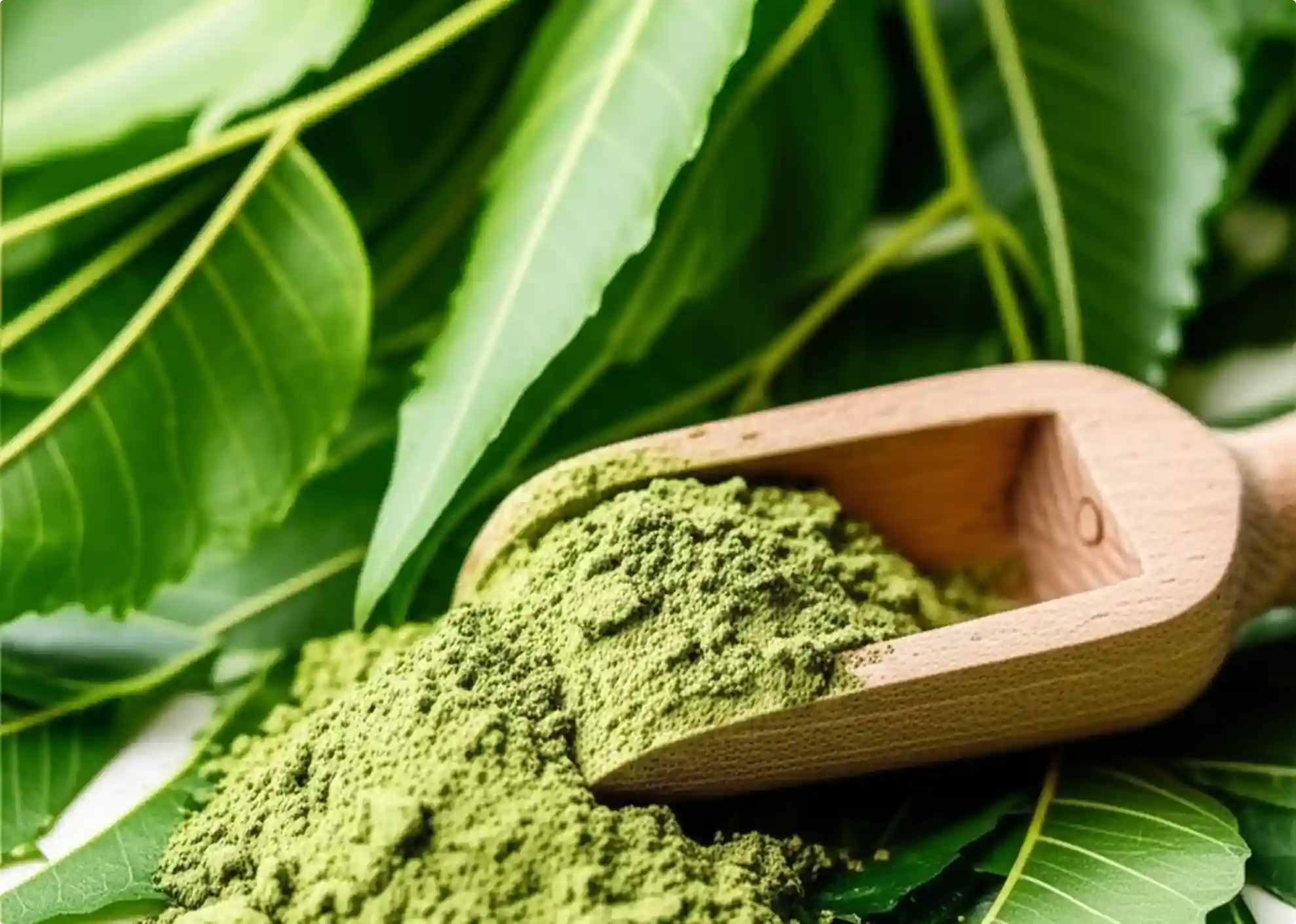
02.Neem Leaves Powder
(for Weak Seedlings and Soil Recovery)
Neem leaves powder is used in farms where soil has become weak due to repeated cropping or where seedlings show slow growth and poor early strength.
It is widely used in organic farming for soil and nursery management
In many vegetable farms, it is added when transplant shock or weak germination is observed.
Key field use pattern
- Mixed in nursery soil to support seedling strength
- Used in compost pits during soil recovery cycles
- Applied in seed treatment before planting pulses and vegetables
Field impact seen in farming practice
- Supports early root development in weak soil conditions
- Helps improve soil activity in repeated cropping land
- Reduces small insect and fungal pressure in nursery beds
03.Pure Cow Dung
(for Soil Fertility Recovery)
Pure cow dung is one of the most used inputs in farming systems where soil fertility has reduced due to long term chemical use or continuous cropping cycles.
It is widely used as cow dung manure in organic farming systems for rebuilding soil structure and restoring natural soil balance.
Farmers use it as a base input before major crop cycles like banana, coconut and vegetable cultivation.
Key field use pattern
- Applied during land preparation before main crops
- Mixed in compost pits for long term soil improvement
- Used in low fertility fields for soil regeneration
Field impact seen in farming practice
- Improves soil structure in tired farming land
- Helps restore microbial activity in soil
- Supports moisture balance in dry soil conditions
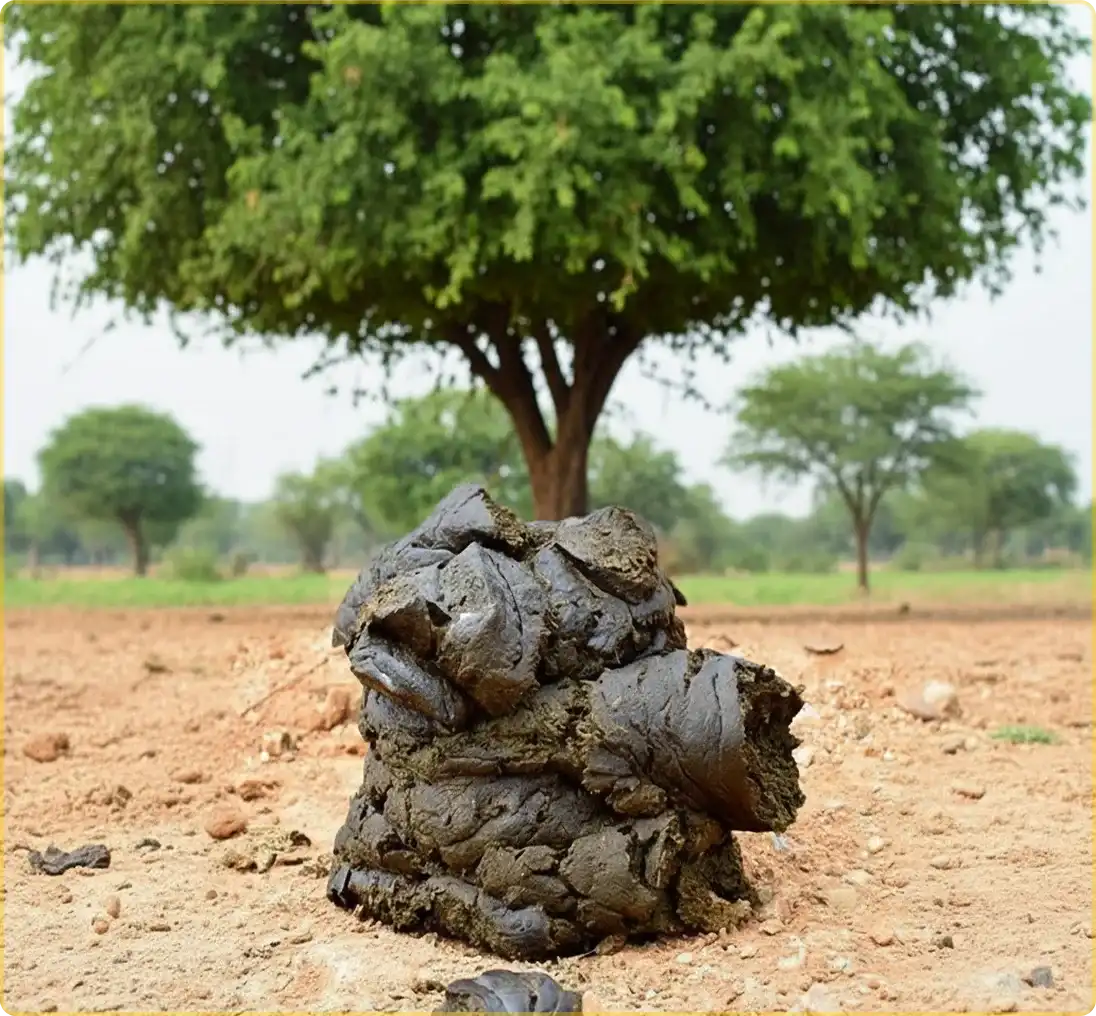
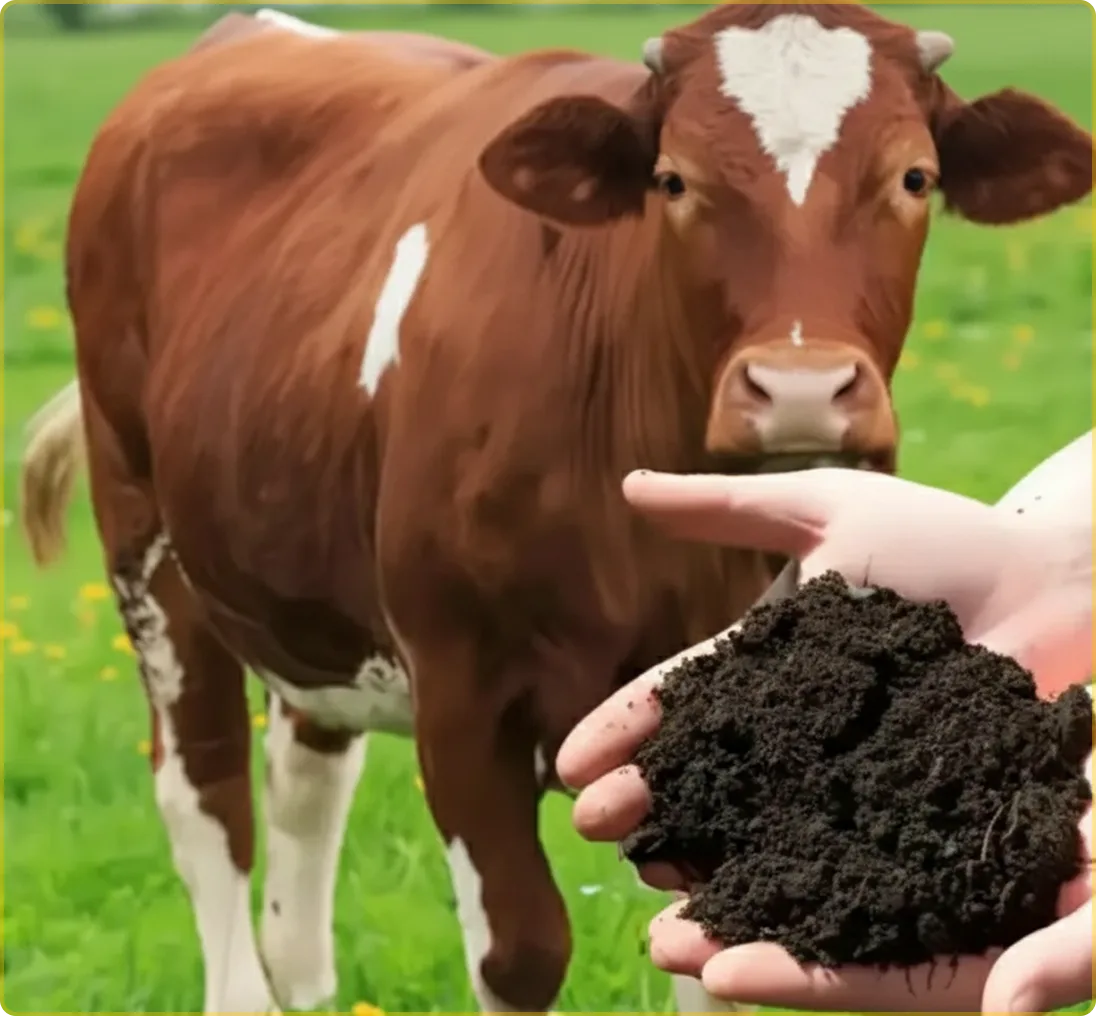
04.Enhanced Cow Dung
(for high yield farming systems)
Enhanced cow dung is used in farming areas where raw manure is not enough for consistent crop performance. It is processed to improve nutrient release and soil response.
It is widely used as eco friendly fertilizers for farms aiming at stable yield across multiple crop cycles.
This is commonly used in banana, coconut and vegetable farming systems where farmers expect better yield stability.
Key field use pattern
- Applied during planting and mid-growth stages
- Used in high yield farming systems
- Mixed with soil for long term nutrient support
Field impact seen in farming practice
- improves soil structure and root penetration
- Supports better water retention in field soil
- Helps reduce soil dryness during long crop cycles
05.Soaked Neem Seed
(for Pest Outbreak Conditions)
Soaked neem seed is used when farms face pest outbreaks, fungal issues or sudden crop stress during humid and rainy seasons.
It is prepared in water and used as a natural protection method in place of chemical sprays.
It is a liquid botanical extract used for pest control and soil protection.
Key field use pattern
- Applied during pest outbreak situations
- Used through irrigation or root zone application
- Common in vegetable farms during high humidity periods
Field impact seen in farming practice
- Helps reduce leaf damage during pest pressure
- Supports plant strength in stressful crop stages
- Helps maintain soil balance during wet conditions

Why Farmers Trust Organic Shakthi in Real Farming Conditions
Organic Shakthi is used in real farming systems where soil has already lost strength due to repeated cropping and chemical fertilizer use. Farmers choose these inputs because they focus on high percentage of yield and stable soil recovery instead of short term crop results.
The products are widely used across organic fertilizer manufacturers, cow dung manure suppliers and organic neem-based farming product suppliers and networks. This is mainly because of steady raw material sourcing, consistent preparation process and field level usability across different soil types.
Farmers prefer Organic Shakthi inputs because they fit easily into existing farming practices without changing crop systems or farming methods. This makes them practical for both small farms and large scale cultivation.
Common reasons for use
- Supports soil recovery in chemically affected land
- Works across vegetable, plantation and field crops
- Reduces dependency on chemical fertilizer cycles
- Helps improve long term soil stability and crop consistency
Field usage reality
In many farming regions, these inputs are used continuously across crop cycles, where soil condition plays a key role in yield performance. Farmers often include them as part of regular soil preparation and crop maintenance cycles, especially in fields that have shown reduced productivity over time.
Farming Applications in Real Field Conditions
Organic Shakthi products are not limited to one stage. They are used throughout the crop cycle based on soil and crop conditions.
Farmers decide usage based on field condition rather than fixed application alone, which makes it practical for real agriculture systems.
Soil preparation after chemical crop cycles
Pest control during early crop growth stages
Nursery and seed recovery support
Compost strengthening for long term soil improvement
Simple Dosage Guide (Field Use)
| Product | Use | Quantity | Frequency |
|---|---|---|---|
| Crushed Neem Seed | Soil mixing before planting | 2 to 5 kg per acre | Once per crop cycle |
| Neem Leaves Powder | Compost and nursery mix | 5 to 10 kg per acre | Monthly |
| Pure Cow Dung | Field soil preparation | 1 to 3 tons per acre | Before planting |
| Enhanced Cow Dung | Root zone application | 500 kg to 1 ton per acre | Every 30 to 45 days |
| Soaked Neem Seed | Irrigation or soil use | Based on crop need | During crop cycle |
Seasonal Farming Use
Summer season
- Helps reduce soil moisture loss in dry fields
- Supports root protection during heat stress
- Maintains soil temperature balance for crop stability
Rainy season
- Helps reduce pest buildup in wet soil conditions
- Supports root protection during high humidity
- Maintains soil structure in water-heavy fields
Farming Problems Solved in Fields
Low yield recovery
Organic inputs are used across multiple crop cycles to slowly rebuild soil strength and improve yield stability over time.
Pest pressure in early crop stages
Neem based inputs are commonly used in early planting stages where soil insects and pests affect root establishment and seedling survival.
Soil fertility loss
Cow dung based inputs are used in fields where repeated cropping has reduced natural soil fertility and microbial balance.
Organic Shakthi inputs are part of modern natural farming systems where farmers are shifting from chemical-heavy methods to soil-based crop stability.
These products are commonly used in fields where high steady yield performance, long term soil recovery and pest control are the main farming goals.
They are widely preferred in bulk farming systems and recurring crop cycles where soil health decides overall crop output.
Farmers use these inputs continuously across seasons to maintain soil strength and reduce dependency on chemical fertilizers and pesticides.